

Brodie McHutchison is the Owner/Director of ABM Advisory. Brodie has over 30 years of experience in projects, operations and facilities management.
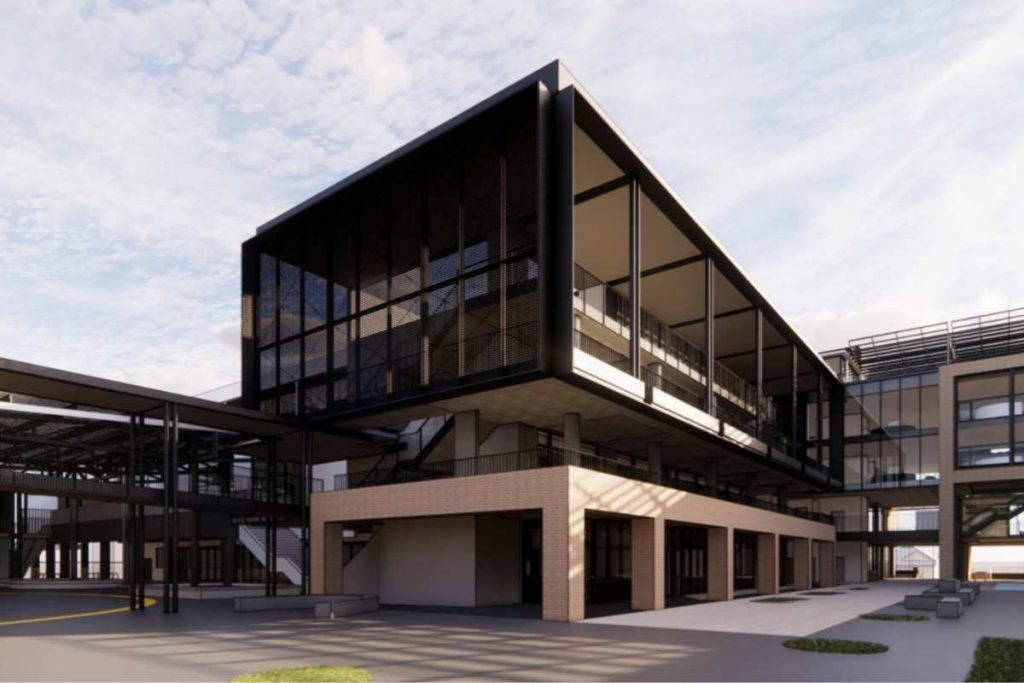
The Marist Catholic College North Shore (MCCNS) development was sponsored by the Executive Director (at the time) at Sydney Catholic Schools (SCS) as it was the school he attended as a student. MCCNS is in North Sydney and within an area there are several high profile private schools (Shore, Wenona, Loreto Kirribilli, St Monte and more) and very few low cost offerings.
This school was to be the “Lighthouse” project for SCS. The project was to allow for increased student growth from approximately 1,200 students to over 2,000 students across Primary, secondary and Early Learning Centre. The internal stakeholders were significant for the project including the Parish, the School Principal, Catholic Arch Diocese and Sydney Catholic Schools. The external stakeholders were also significant, being North Sydney Council, Department of Planning, Infrastructure and Environment, local residents and consultants and contractors.
The project involved 5 stages and a budget of over $100m. Brodie commenced on the project after stage 1 had been completed. Brodie managed the State Significant Development (SSD) application and ultimate approval, Enabling works, Stage 2A and Stage 2B. Based on Brodie’s advice the development planning was separated into parts. This allowed the school to commence works on stages under Complying Development (CDC) while the major parts of the project were obtaining planning approval. This also allowed for the school the space to relocate the classrooms that would being displaced as part of the future stages. As at October 2025, up to Stage 2B was complete and the school had taken possession. As at October 2025, the project had delivered to following new facilities:
Up to Stage 2B, the project was on budget and on time.
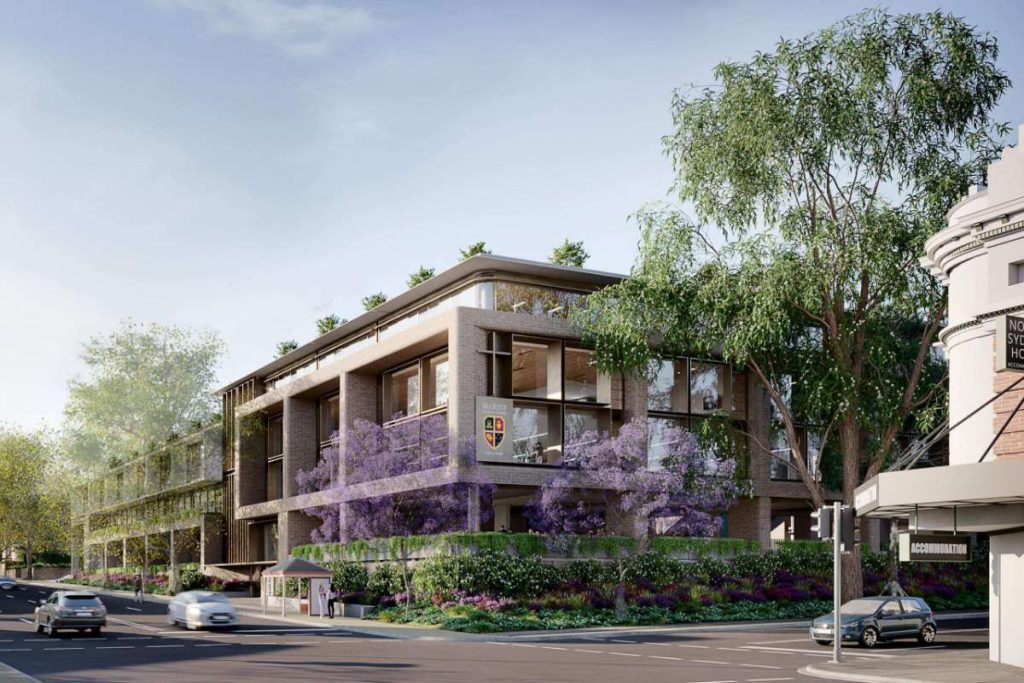
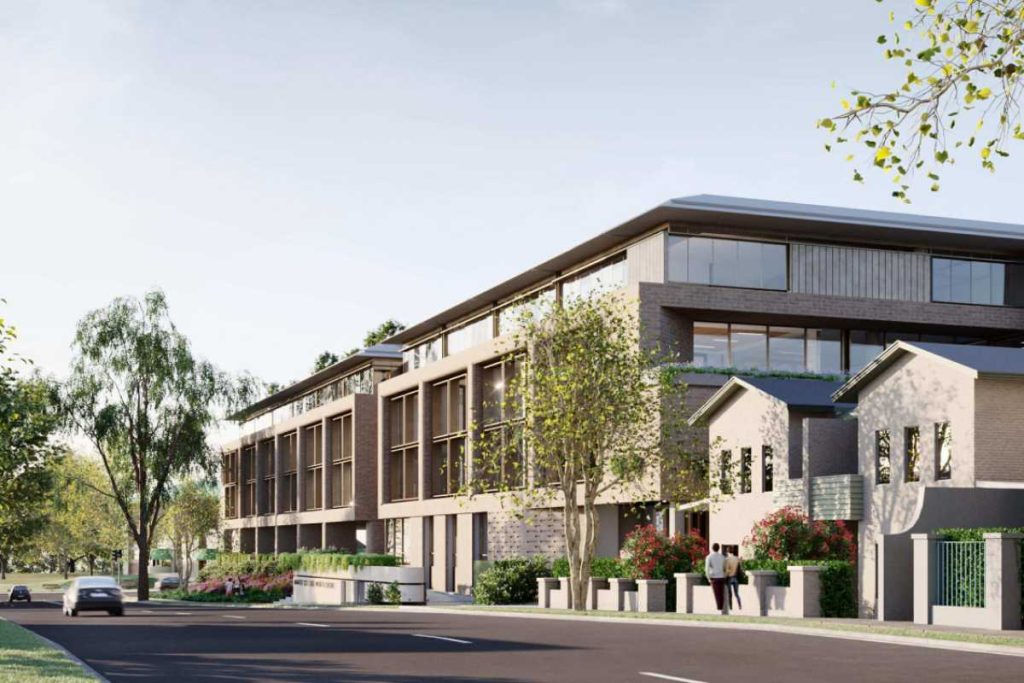
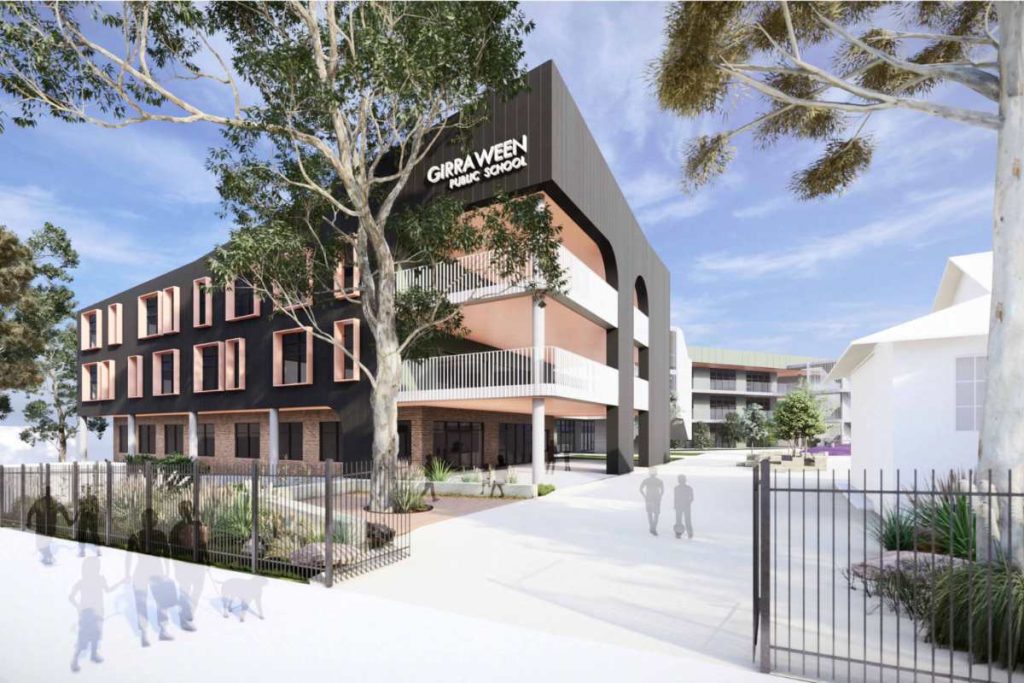
Girraween Public School is a project for NSW Department of Education under School Infrastructure. The primary school had over 1,300 students teaching in over 40 demountable classrooms. This project was a demountable replacement project. The project was a legacy project of School Infrastructure as it was commenced in 2019 and the budget was approved in 2020. Due to circumstances the project did not progress until 2022 when Brodie commenced on the project. Due to the delay in progress, the inflation of 2021/2022 had taken effect and the budget was now inadequate for the project brief. In accordance with the SINSW phasing, Brodie was appointed for Phase 1: Masterplan (revisit) and Phase 2: Concept Design. The project required a Business Case Addendum due to the Budget being inadequate. Brodie lead the project for a re-scope of the brief so the project could meet the budget and utilising all of the budget so the school to obtain the best value for the budget.
The project brief that was approved in the Business Case Addendum included:
Due to the budget constraints 12 demountable classrooms were retained and become part of a future stage 2.
Brodie went on to manage Phase 3: Schematic Design, Phase 4, Detailed Design, Phase 5: Contract Documents, Phase 6: Procurement, Phase 7: Construction and Phase 8: Commissioning and Handover. As a result of Brodie’s determination, the planning approvals were obtained via a series of Complying Development Certificates, which allowed the project to be designed and constructed on time and within budget.
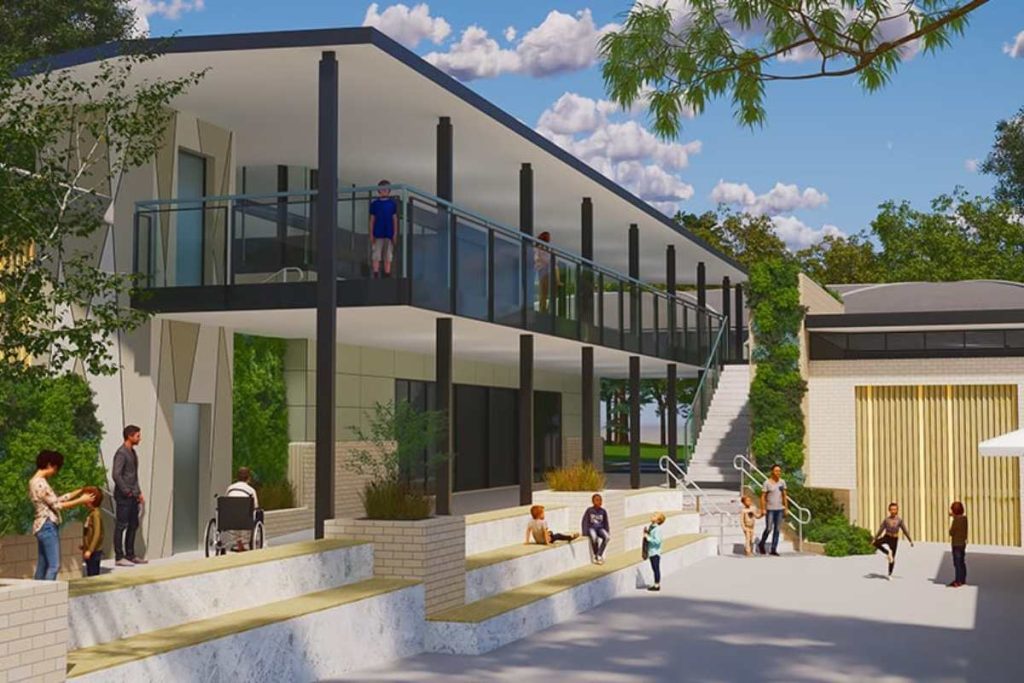
St John Fisher Catholic Primary School was developed for Catholic Schools Broken Bay (CSBB). The project involved 4 new classrooms plus new amenities and the removal of 4 temporary classrooms. The challenges on this project included the location being in the middle of an operating school so it had a significant impact on the school operations. The other challenge was that Brodie was appointed at the completion of design and the DA had been submitted (approval being imminent) and CSBB required the contractor to be appointed immediately to secure funding. This challenge turned out to be significant due to the implementation of NCC2022 as this school was located in a bushfire zone.
The newly implemented NCC2022 included Specification 43 (bushfire requirements) and the inherited design had not addressed any of the bushfire requirements and to comply with the requirements were not straightforward and had never been done before. The re-design and compliance with the new requirements significantly delayed the project.
As a result of Brodie’s determination, the project navigated the bushfire requirements and obtained Construction Certificate (being one of the first in NSW under these new requirements) and the project commenced and was delivered without any significant issues. The project was delivered on budget and within client expectations for time.
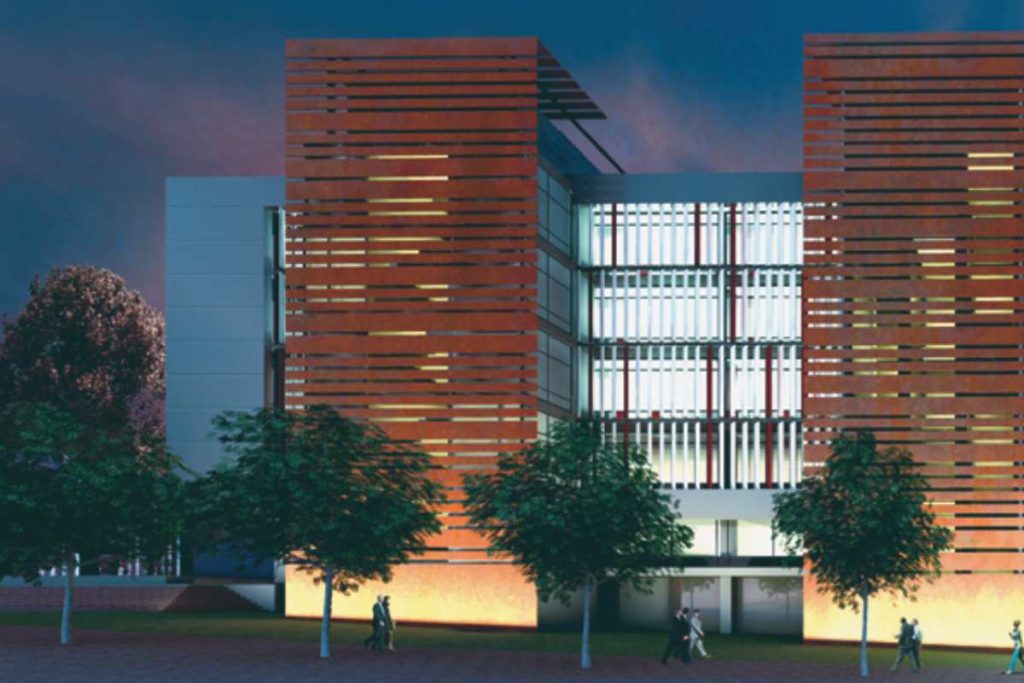
The ATP Building D was the first major development at the Australian Technology Park by the NSW Government via Redfern Waterloo Authority (RWA). RWA had completed the restoration of the Locomotive yards into commercial office and were now developing the vacant land in the precinct. The land was contaminated by the industrial works over the preceding years.
Building D was over 6,000m2 over 6 floors for office accommodation. The office was being developed for office leasing. The office building had two pre-committed tenants (NICTA and a Defence office). These two tenants required integrated fitout and services. The project was to be delivered under the NSW Government Procurement policies and utilising the GC21 suite of contracts. Brodie was the responsible Senior Project Manager and managed the design via consultants appointed by the Principal and then procured the Contractor the via the NSW Government Procurement Policy and utilising the GC21 (D&C Contract). Brodie then managed the construction phase as the Principal’s Authorised Person.
The project was delivered on time and within budget. In addition to Building D, Brodie successfully won the Infrastructure project, which was preparing the remainder of the site for individual developments. The later developments were Channel 7, Commonwealth Bank and other NSW Government Agencies.
The QBE Newcastle Workplace was a project within a nation wide rollout of workplaces around Australia. QBE had planned to consolidate two existing offices into one office in the Honeysuckle Development. The workplace was approximately 1,500m2 over two floors and constructed during the COVID 19 shutdown period. Brodie managed this project in its entirety, including travelling to Newcastle to obtain permission to travel during COVID. This also included the use of Face Time and 360 degree camera. Group GSA were the Architect/Interior Designers and DBS were the appointed Building Services Engineers. Brodie Managed the design (via the design standards for the rollout), procurement of the contractor under a Construct only contract and site superintendency.
The project was delivered early and within budget. Brodie was also Project Director on QBE’s Canberra, Sydney and Parramatta workplaces.
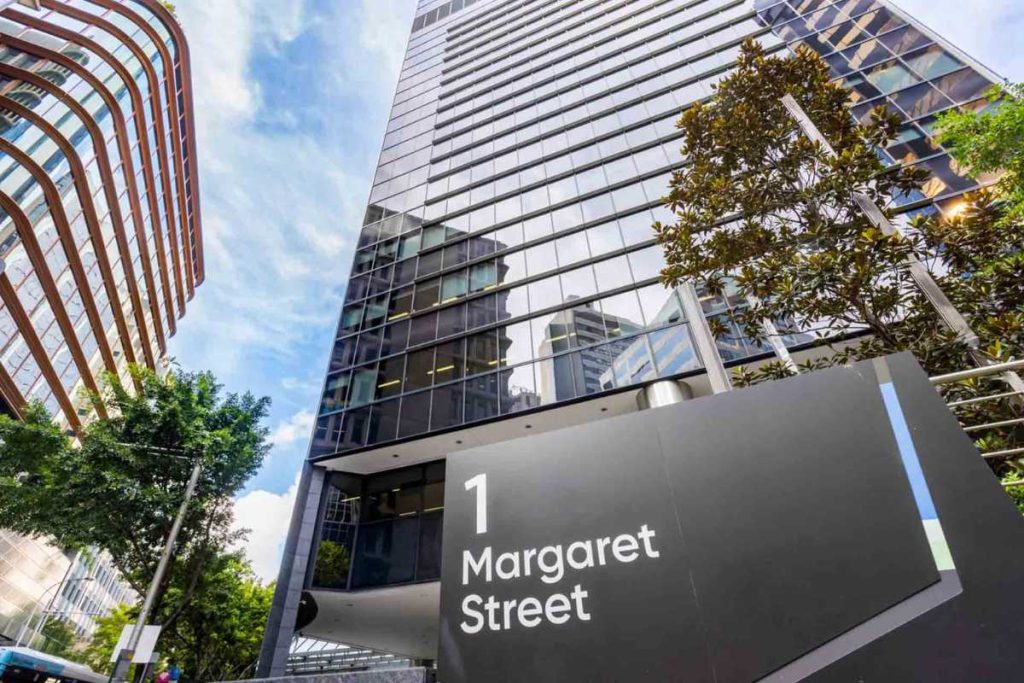
Credit Union Services Australia Limited (CUSCAL) was located across multiple locations, before consolidating into one new workplace. The new fitout was 6,000m2 over 6 levels and included office workplace, Data Centre, Trading areas and secure sections. Brodie was the Project Manager responsible for the design and construction on a day to day basis. Brodie managed the procurement process on behalf of CUSCAL. The project was delivered on time and under budget.
Knauf Insulation was going against the trend of manufacturing leaving Australia; and seeking to build an Insulation manufacturing Plant in Australia. Knauf had not decided on a specific location, so required local advice to select a location. Brodie was the Senior Project / Development Manager appointed to the project. Brodie’s initial role was to determine the site location. Knauf shortlisted the location to NSW or QLD. With the assistance of expert property advice, Brodie shortlisted two sites; one in Newcastle (NSW) and one in Ipswich (QLD). Broide and the team then progressed with two possible sites and sought state government incentives from each respective state government and finally decided on the Newcastle (NSW) site. This then progressed to Site Due Diligence and confirm the government incentives. The shortlisted site was an ex-BHP manufacturing site that had significant restrictions due to the previous use of the site and the inability to excavate and disturb the soil in the ground.
Brodie then prepared the planning documents and managed the Development Approval via Part 3A (now known as State Significant Development). Development Approval was provided by the NSW Department of Planning, which was significant due to two reasons;
This Development Consent was provided in record time (8 weeks), given the significant investment that Knauf was providing to the region.
The project was ultimately cancelled by Knauf due the business case not stacking up. So unfortunately the considerable capital investment for the design and development was not realised.
While at Broadspectrum, Brodie undertook many “special projects” and project Swan is one example. Broadspectrum had been working on an off-shore contract for over 12 months when the client wanted this contract to be expanded immediately to included the services in a new location. Brodie was part of the negotiating team for the award of the contract (over $2b). Brodie also managed the recruitment team to deliver over 500 Fly-in / Fly-out (FIFO) specialist staff in off-shore locations. This involved managing the recruiters, ensuring that the appointments were within budget and within managements expectations. It also involved managing significant onboarding (often in the airport) for the new staff.
Subsequent to this example, Brodie was also required to deliver multiple special projects for this contract including: